Asset Management Website


Swipe to see more views!
Description
This project is the core assignment of my year-long internship at IDEMIA, where I continued and enhanced the development of an internal Asset Management web application. The system is used company-wide to track inventory, monitor item availability, manage stock movements, maintain audit trails, and support operational workflows. Built on top of the open-source Snipe-IT platform, the project required extensive customization to meet specific requirements from stakeholders and product owners, delivering features and workflows uniquely tailored to IDEMIA’s operational needs.
My Contributions
1. Software Engineering
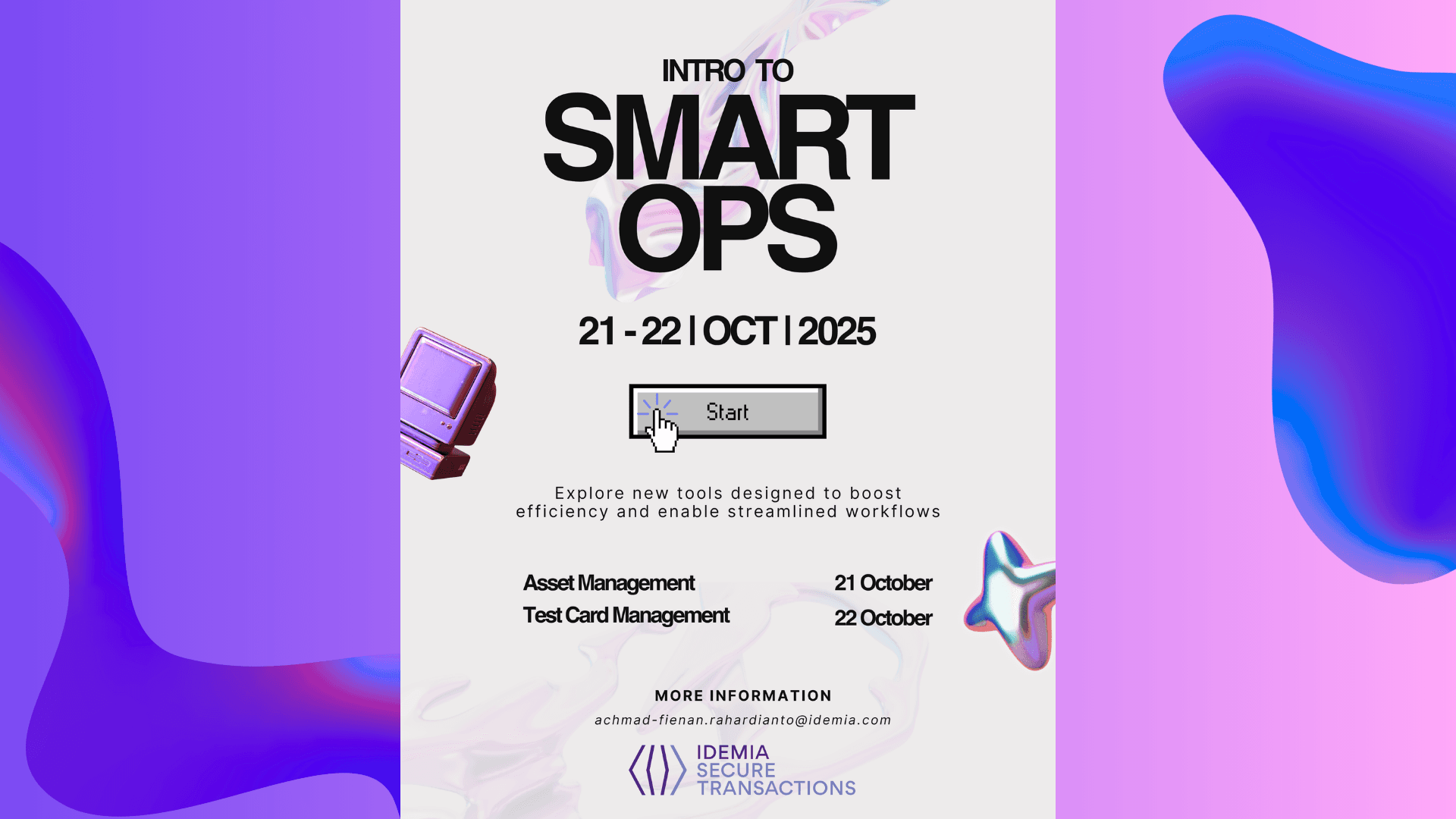
As part of an Agile Scrum team, I contributed to the full development lifecycle of the project—from refining requirements to implementing features and deploying releases. I worked on code development, handled branch management using GitLab + GitFlow, documented technical guidelines using MkDocs, and created presentation-ready documentation with Marp. I also participated as a speaker in a dedicated event for Asset Management showcase, where I convey the product upgrades and innovations applied toward whole IDEMIA Jakarta for feedback and improvement.
2. Fullstack Developing
I continued the improvement of IDEMIA’s customized Snipe-IT system by manually upgrading the core platform from v6.0.7 to v8.1.2, resolving compatibility gaps along the way. My responsibilities included fixing bugs, implementing and refining new features, ensuring forward-compatible code, and integrating external services such as LDAP for authentication and MinIO for object storage. To maintain code quality and ensure its free of bugs, I also implemented PHPUnit test suites for reliable regression testing.
3. Devops & Automation Engineering
I applied a deployment pipeline by building and managing Docker and Docker Compose environments, creating production-ready images for NGINX (Webserver and Reverse Proxy), MinIO (S3 Object Storage) and Laravel (PHP FPM). I utilized Harbor as the private registry for image versioning and reuse. To eliminate manual deployment steps, I developed a Jenkins continuous deployment pipeline that automates building, testing, versioning, pushing images, and deploying updates directly to both staging and production servers via SSH, which improves deployment reliability and developer efficiency.